Shield Your Investment: Expert Seal Coating Services for Enduring Pavement Care
Preserving asphalt surfaces is vital for property owners. Seal coating acts as a protective layer against UV rays, moisture, and chemicals. This process not only elevates the appearance of pavement but also avoids costly repairs down the line. Understanding the importance of regular seal coating can make a considerable difference in the longevity of asphalt. However, many may question what factors to evaluate when seeking professional services.
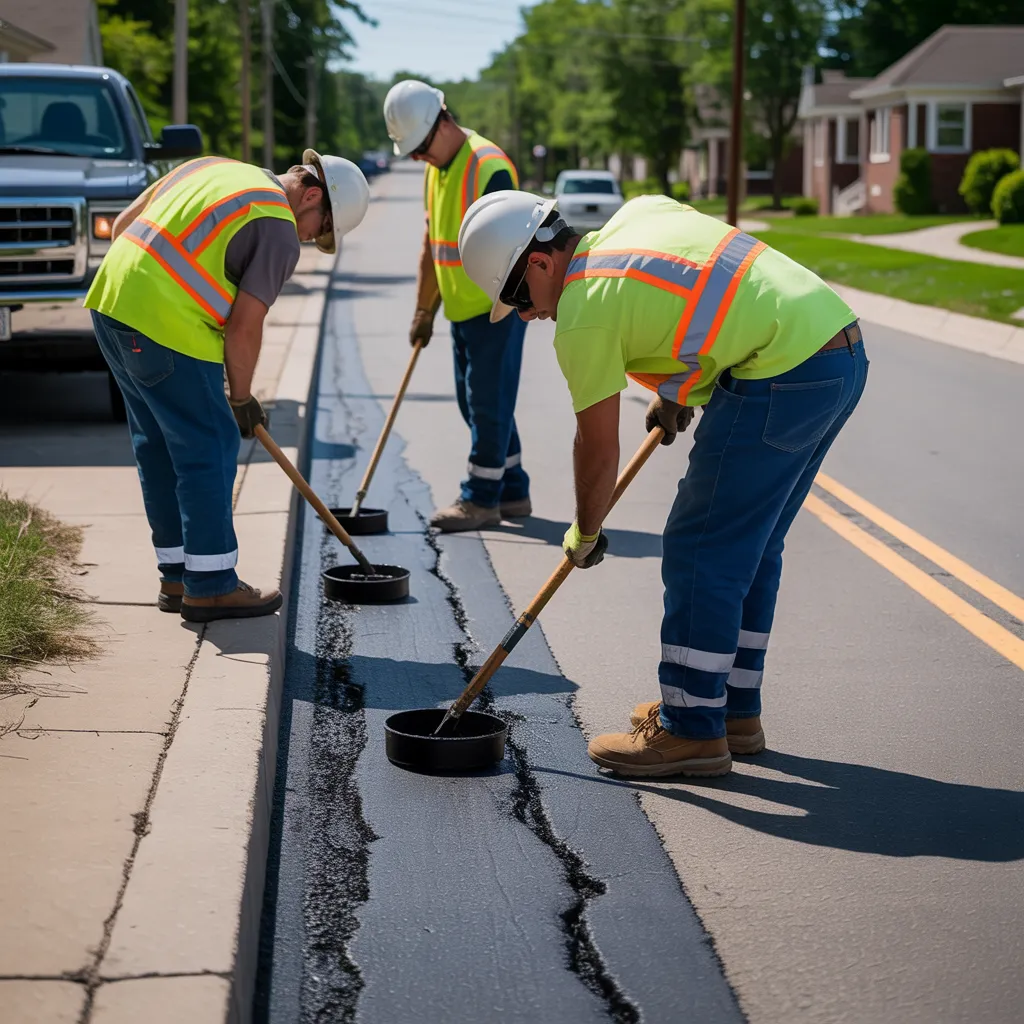
Why Your Asphalt Needs Seal Coating for Maximum Longevity
Sealcoating serves a vital function in prolonging the lifespan of asphalt surfaces. This protective layer functions as a barrier against environmental elements, preventing moisture penetration that can lead to cracks and deterioration. By protecting asphalt from harmful UV rays, seal coating assists in preserving the material's flexibility and durability, reducing the risk of oxidation and brittleness over time.
In addition, seal coating provides resistance to oil, gasoline, and other chemicals that can damage asphalt integrity. Regular application of sealant not only improves the appearance of the pavement but also decreases the need for costly repairs. The process also fills small cracks and imperfections, preventing them from growing into more significant issues. By investing in seal coating, property owners can efficiently preserve their asphalt, ensuring it remains usable and visually appealing for years. This proactive maintenance approach ultimately leads long-term savings and a better overall investment in pavement care.
Top Benefits of Professional Seal Coating Services
Choosing professional seal coating services offers many advantages that can substantially enhance the lifespan and aesthetic appeal of asphalt surfaces. First and foremost, these services provide a protective barrier against destructive elements such as UV rays, water, and chemicals that can cause damage. This protective layer works to avoid cracks and potholes, consequently decreasing the need for expensive repairs.
Additionally, professional seal coating improves the aesthetic appeal of asphalt, offering it a fresh, dark finish that boosts curb appeal. The application process ensures even coverage and excellent adhesion, which cannot be achievable through DIY approaches. Furthermore, professional seal coating can lengthen the lifespan of asphalt by several years, making it a financially sound investment in the long run. Ultimately, experienced technicians are equipped with the right tools and expertise, delivering a high-quality finish that complies with industry standards, therefore providing peace of mind to property owners.
Choosing the Right Seal Coating Provider?
How do property owners ensure they select the right seal coating contractor for their needs? First, they should research potential contractors by checking online reviews and testimonials, which can provide insights into customer satisfaction and service quality. Moreover, verifying the provider's experience and expertise in seal coating is vital, as well as ensuring they are licensed and insured.
Property owners ought to request multiple quotes to compare pricing and services offered. This process enables identification of reasonable rates and any potential red flags. What's more, it is useful to request details about the materials used and the application techniques implemented, as these factors greatly impact the durability of the seal coating.
At last, a reliable provider should be ready to review their approach and respond to any questions, displaying transparency and professionalism. By following these principles, property owners can make an informed decision when identifying a seal coating provider.
Widely-Used Seal Coating Approaches and Their Advantages
Numerous techniques are found for seal coating, each delivering unique benefits customized to different surfaces and environmental conditions. One common method is the asphalt emulsion seal coat, which ensures excellent adhesion and flexibility, making it well-suited for both residential and commercial applications. This technique efficiently protects against water intrusion and UV damage, lengthening the pavement's lifespan.
Another popular method is the coal tar seal coat, noted for its endurance and protection to petroleum spills and chemical agents. This approach is particularly advantageous for areas with heavy traffic, ensuring a longer-lasting surface.
Moreover, acrylic sealers present a more sustainable solution, presenting a transparent, polished finish that elevates curb appeal while safeguarding against the elements. Each technique caters to unique needs, making certain that property owners can select the best solution for their pavement, ultimately preserving their investment and maintaining visual appeal.
How Regularly Should Seal Coating Be Scheduled for Best Protection?
Determining the frequency of seal coating is essential for preserving the integrity of asphalt surfaces. Specialists advise scheduling seal coating every two or three years, depending on factors such as weather conditions, traffic volume, and the overall condition of the pavement. High-traffic areas or regions with extreme weather may need more frequent applications to provide maximum protection.
Periodic professional guide inspections can help identify signs of wear, such as cracks or fading, indicating that a new seal coat may be necessary. Additionally, applying sealant before major damage occurs can prevent costly repairs down the line. Property owners should also consider using top-quality sealants designed for their specific environment, as this can boost durability and longevity. By sticking to a proactive seal coating schedule, property owners can safeguard their investment and lengthen the life of their asphalt surfaces.
Grasping Seal Coating Expenses
Though the perks of seal coating are clear, understanding the associated costs is essential for property owners organizing maintenance. Seal coating rates can differ significantly based on multiple factors, including the size of the area to be coated, the type of sealant used, and local labor rates. Generally, costs are calculated per square foot, with basic applications ranging from $0.15 to $0.25, while premium sealants may go beyond $0.30 per square foot. Additional expenses might stem from surface preparation, such as crack filling or cleaning, which can increase the overall price. Property owners must also consider the frequency of application, as regular maintenance can conserve money in the long run by extending the lifespan of the pavement. By understanding these cost elements, property owners can make well-informed decisions that correspond to their budgets and long-term pavement care plans.
Warning Signs Your Pavement Requires Seal Coating Soon
A telltale sign that pavement needs seal coating soon is the presence of cracks and fading. Over time, exposure to UV rays, water, and temperature fluctuations can bring about surface deterioration. Small cracks can swiftly expand, enabling water to penetrate and cause extensive damage. Furthermore, a faded appearance suggests that the protective layer has worn away, raising vulnerability to the elements.
Another sign is the existence of oil stains or tire marks, which can weaken the quality of the asphalt. If the surface appears rough or has a texture that resembles a worn-out surface, this indicates a loss of the seal coat's safeguarding characteristics. Additionally, pooling water after rainstorms indicates a compromised surface that demands attention. Tracking these signs can help property owners take proactive measures, securing the lifespan and durability of their pavement investment through prompt seal coating services.
FAQ
Can You Apply Seal Coating During Cold Weather?
Seal coating should ideally be applied when temperatures are above 50°F. Frigid weather can compromise proper adhesion and curing, leading to inferior results. Experts suggest waiting for appropriate conditions to ensure effective seal coating application.
How Long Until Seal Coating Dries?
Seal coating generally requires 24 to 48 hours to set, contingent upon weather conditions and the specific product applied. Full curing typically requires up to 30 days, during which traffic should be limited.
Is Sealcoating Safe for Your Pets and Children?
Seal coating typically becomes safe for children and pets after it has fully cured, which typically takes 24 to 48 hours. Nevertheless, it is recommended to keep them clear of the area during the application process.
Is It Possible to Drive on My Pavement Right After Seal Coating?
It's not recommended to drive on newly seal-coated pavement right away. Generally, a period of at least 24 to 48 hours is required for adequate curing. Permitting adequate drying time ensures optimal protection and durability of the applied sealant.
Will Seal Coating Completely Prevent Cracks and Potholes?
Seal coating does not completely prevent pavement cracks and pothole formation; nevertheless, it considerably lessens their probability by creating a protective barrier against UV radiation, water, and other deteriorating agents, increasing the asphalt's durability and structural integrity.